Understanding Wellness-Centric Design
Wellness-centric design revolves around the concept of creating spaces that support and enhance the health and happiness of individuals who inhabit them. It encompasses various elements, including ergonomic considerations, access to natural light, indoor air quality, and opportunities for physical activity and relaxation. The ultimate goal is to cultivate an environment that contributes to the holistic well-being of employees, thereby boosting morale, creativity, and overall performance.
Ergonomics: Putting Comfort First
One of the fundamental aspects of wellness-centric design is prioritising ergonomic principles in office furniture and layout. Ergonomically designed chairs, adjustable desks, and proper lighting help mitigate the risk of musculoskeletal disorders and promote good posture. By providing employees with comfortable and supportive workstations, companies can reduce the likelihood of chronic pain and fatigue, leading to increased focus and productivity.
Biophilic Design: Bringing Nature Indoors
Incorporating elements of biophilic design is another key trend in wellness-centric office spaces. Biophilia, the innate human tendency to seek connections with nature, can be harnessed through features such as indoor plants, green walls, and natural materials like wood and stone. Not only do these elements improve air quality and aesthetics, but they also have a calming effect, reducing stress levels and enhancing overall well-being.
Lighting and Acoustics: Balancing Stimuli
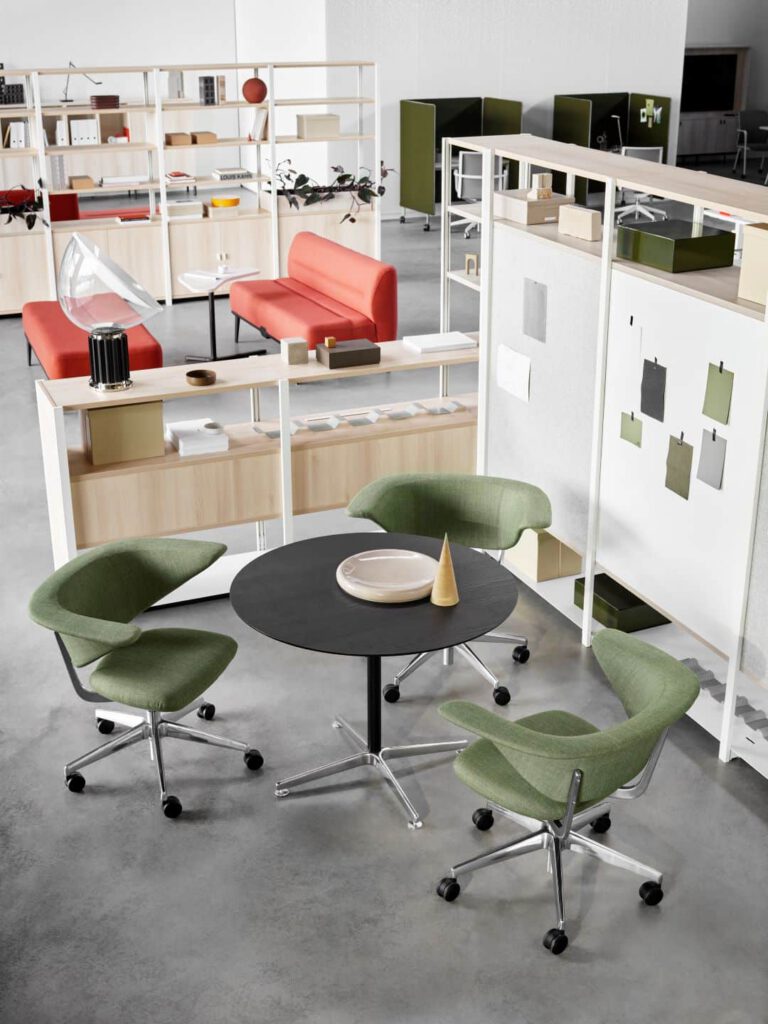
Effective management of lighting and acoustics is crucial for creating a conducive work environment. Natural light not only reduces the reliance on artificial sources but also regulates circadian rhythms, promoting better sleep and mood regulation. Similarly, strategic acoustic design, incorporating sound-absorbing materials and layout configurations, helps minimise distractions and fosters concentration and productivity.
Spaces for Movement and Relaxation
Recognising the importance of physical activity and mental breaks, modern offices are incorporating dedicated spaces for movement and relaxation. This may include wellness rooms for meditation or yoga, recreational areas with games and lounge furniture, and even on-site fitness facilities. Encouraging employees to take regular breaks and engage in activities that promote relaxation and stress relief can have significant benefits for their overall well-being and productivity.

Technology Integration: Supporting Flexibility
Technology plays a crucial role in enabling flexible work arrangements, which have become increasingly prevalent in today’s workplace. From adjustable standing desks to collaborative digital platforms, incorporating technology that supports mobility and remote collaboration enhances employee satisfaction and work-life balance. By providing the tools and infrastructure for seamless connectivity, companies can empower their workforce to thrive in diverse work environments.
The History of Wellness-Centric Design
Wellness-centric design represents a paradigm shift in how we conceptualise and create office spaces. By prioritising the physical and mental well-being of employees, companies not only demonstrate their commitment to their workforce but also reap the rewards of increased productivity, creativity, and employee retention. As the importance of employee wellness continues to gain recognition, integrating these principles into office design will become not just a trend but a necessity for success in the modern workplace landscape.